

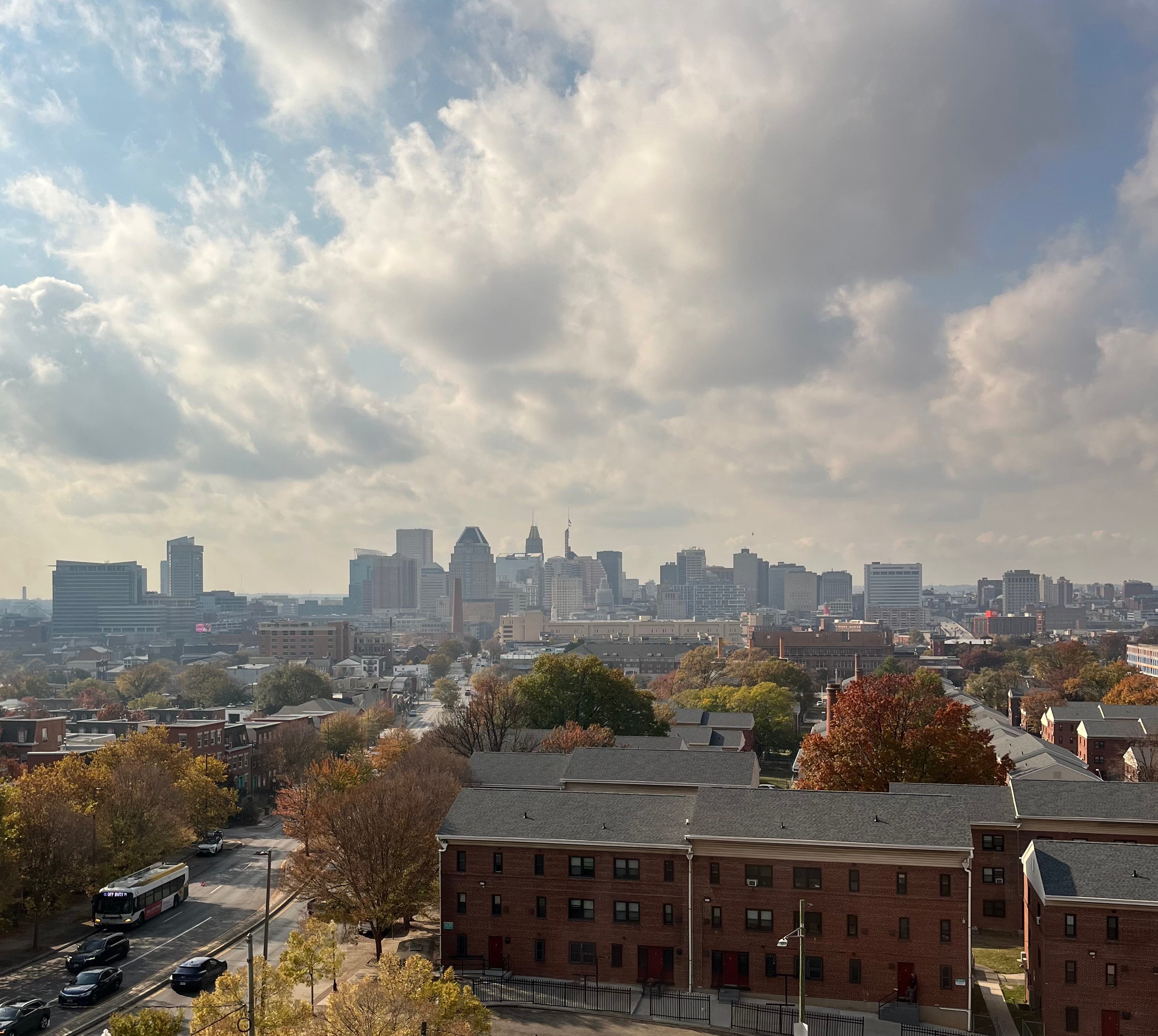
Growing up as a kid in Baltimore, I remember a hierarchy of hospitals. Break an arm? North Arundel Hospital. Motorcycle accident? Shock Trauma. But some real shit like cancer? You’re going to Hopkins.
In my head Johns Hopkins was always the pinnacle of medicine - creating all sorts of innovations like inventing CPR and the residency programs hospitals have today. So in my brief window between diagnosis and brain surgery and pre-chemo, I went for a second opinion appointment at Johns Hopkins’ top ranked Sidney Kimmel Cancer Center today.
Now just to be clear, for this second opinion I was not expecting them to say “wow you don’t have cancer, they really messed up, here’s an aspirin get on your way my lad!”. But rather looking to expand my network of doctors who are interested in my rare cancer and can potentially make future connections for clinical trials, etc...
Armed with an almost infinite amount of Marriott Points from years of business travel, and perfect timing for appointments, it was a low risk trip to Baltimore see what these Hopkins guys have to say.
Johns Hopkins didn’t make a good first impression when I reached out initially. When I started onboarding to MD Anderson, I got a personal nurse concierge with a charming southern accent who walked me through options, chatted me up about various towns in Houston like League City vs Sugar Land, and took the time to understand my goals.
Meanwhile my first experience from Hopkins was getting called from Bangladesh. A cell center worker, yelling over the sound of horns honking on the street, wanted to me to email a pdf of pathology sample transfer consent to a random email address that wasn’t jhu.edu. Hopefully they are cutting costs in patient onboarding to invest in patient care…
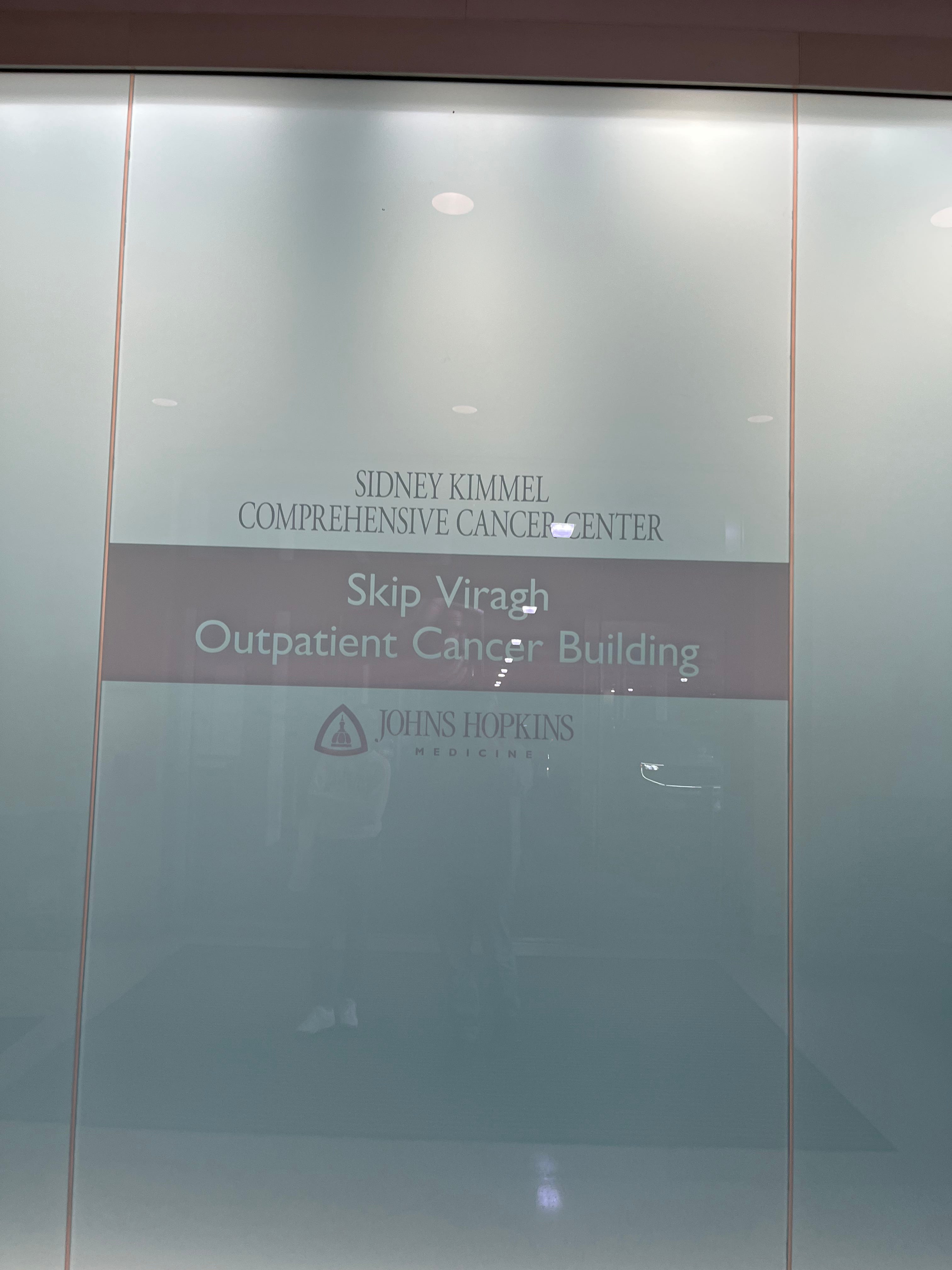
But the actual experience at Hopkins itself exceeded my expectations. The facility was impressive, with sweeping harbor views, and everything was ran like a well oiled machine right on time.
My initial meeting was with a “Fellow” at JHU Medicine, who gave me what I was worried I would get, he asked some good questions, but in the end concluded “Looks like you’re getting the standard treatment of care we’d expect for this” (ie what AI would recommend).
However, the second meeting with the oncologist I was there to see was exactly what I was looking for. A recent editor of “Prostate Journal”, he had done research on my cancer and consulted several colleagues in different disciplines over a few days to try to prepare for the meeting.
He confirmed the current plan of care with UPMC made the most sense with what we know today, but more importantly he started doing what I wanted to do - nerd out brainstorming on obscure tactics that might work if the first courses fail “You know, there is a salivary cancer that has a similar profile that produces this specific antigen, maybe we should try staining your slides for those? If we can detect that antigen, there may be something to be targeted”.
He gave me his business card, and seemed to welcome a relationship where I could spitball off potential options once we know more data from the metabolic analysis (still pending).
In the end, he was careful not to give false hope, and left on a bit of an ominous note:
“There’s some known things we can try, there’s some room for experimentation once we learn more - but you know, if we don’t figure this thing out…
…unfortunately it’s gonna get ya.”
I’m so glad you got the 2nd opinion. You are so smart and a fighter.💪 I’m sending hugs and prayers your way and while you continue this journey. ❤️
You are a fighter 💪🙏